






moive
55 years Kyocera in Europe moviePlayButton moviePlayButton moviePlayButton moviePlayButton scroollText
55 years Kyocera in Europe

For over 55 years, Kyocera has contributed to Europe’s development
with advanced technology and component solutions.
Discover more below:


1971 The Digital Age Begins 1971 The Digital Age Begins

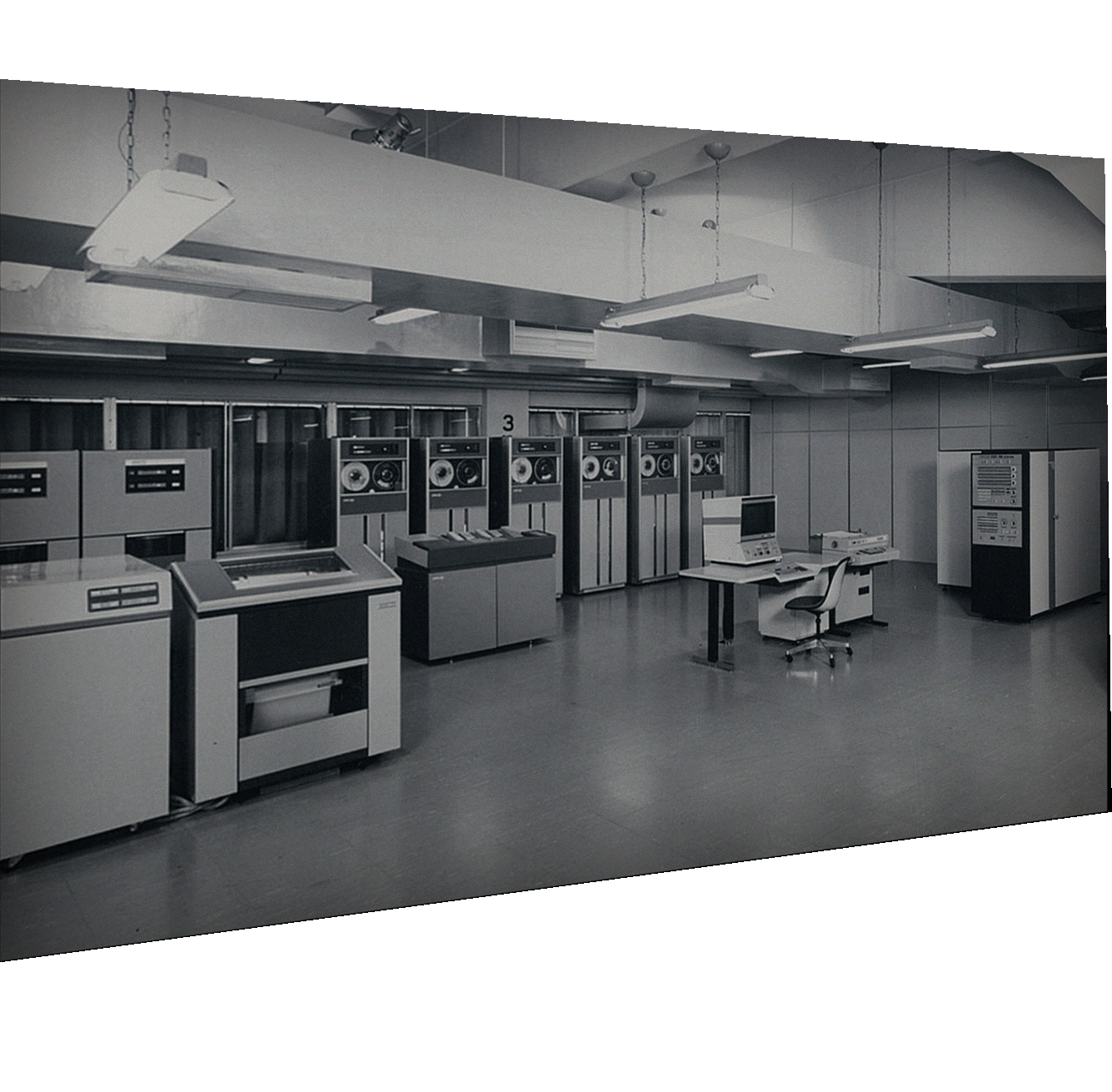
In 1971, the world's first email was sent by Ray Tomlinson, a computer engineer at BBN
Technologies in the United States. Originally developed for contacting colleagues that could
not be reached by phone, email soon became one of the world's most important computer
applications that would set the stage for future computing developments.
1971
slider slider

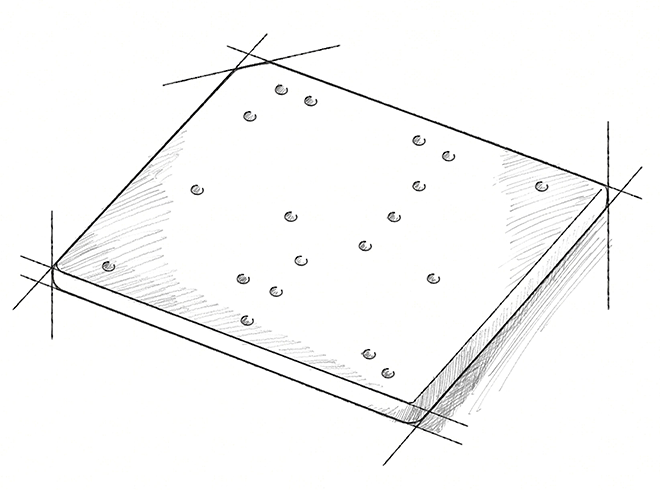
Thick Film Ceramic Substrates

Also in 1971, Kyocera set up a joint venture with Feldmühle, a leading producer of ceramics, papers, and other industrial products in Germany...

Learn more +

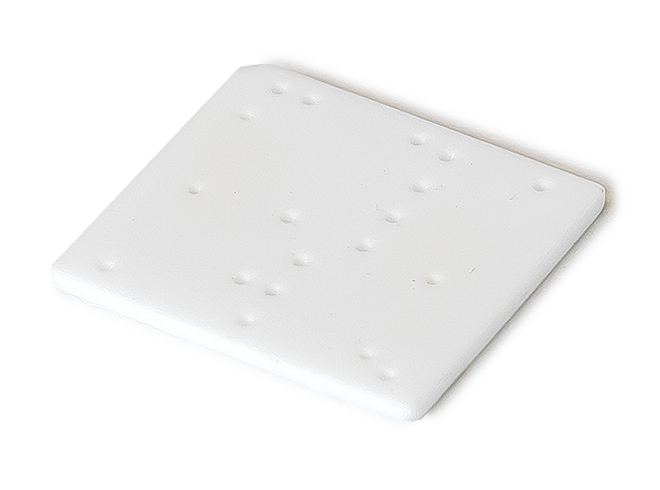
Also in 1971, Kyocera set up a joint venture with Feldmühle, a leading producer of ceramics, papers, and other industrial products in Germany. Kyocera was originally founded as a "Kyoto Ceramic" in 1959 to develop ceramic components for TV cathode-ray tubes in Japan. After this, Kyocera quickly diversified into other new applications as the utility and customizability of ceramics became known throughout the electronics industry. Having already received international recognition and orders for ceramic substrates from IBM in the United States, soon after joining with Feldmühle in Germany, Kyocera became a leading supplier of ceramic substrates (pictured) to major semiconductor and electronics companies in Europe, helping advance the computer industry in the region.

1981 the Personal Computing Revolution 1981 the Personal Computing Revolution

In 1981, IBM entered the home computing market by releasing its first microcomputer for personal use,
the Personal Computer. While personal computers were available during the 1970s,
the industry saw a rapid rise through the 1980s as computers developed easy-to-use functions,
user-friendly graphical user interfaces, and more sophisticated applications and programs.
During the decade, computers in the workplace became the norm,
and the idea of a PC in every home would eventually become a reality.
slider slider

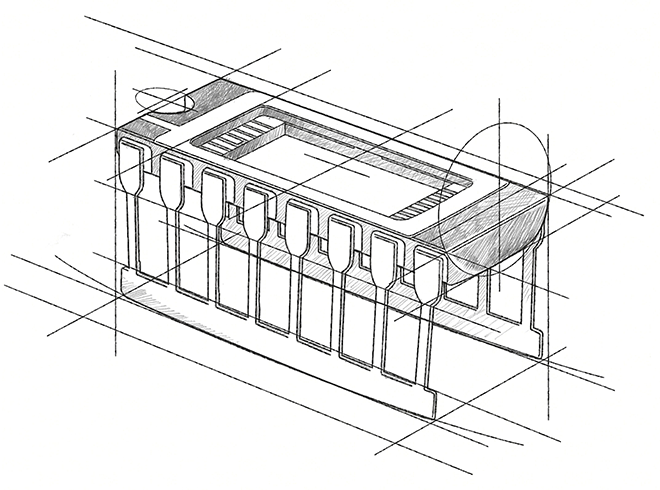
Ceramic Multilayer Semiconductor Packages

As the personal computer industry grew in the 1980s, Kyocera’s semiconductor...

Learn more +

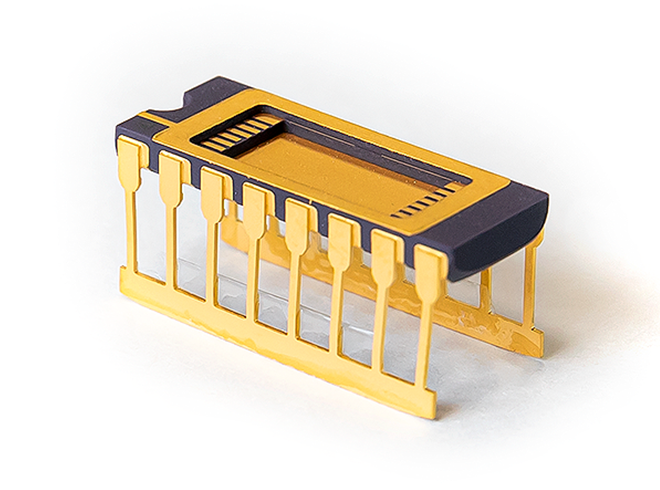
As the personal computer industry grew in the 1980s, Kyocera’s semiconductor ceramic packages and electronic components were critical to its development. In particular, because of industry trends toward greater memory capacity, Kyocera's ceramic packages were vital achieving improved technological capabilities. Other materials at the time could not stand up to the task of enabling higher processing capability for IC applications, so IC and ceramics became firmly linked as the industry depended on ceramics to develop. In particular, Kyocera's multilayer semiconductor packages (pictured), became widely used throughout the computing world, in addition to countless other ceramic substrates and electronic devices.

1991 A Single, Connected World 1991 A Single, Connected World

While the early internet began development in the
1960s, the current World Wide Web was invented by
Tim Berners-Lee at CERN in 1989, with the first
web browser released to the public in 1991.
By providing a framework that facilitated easy access of information
from the World Wide Web, the internet industry grew
rapidly,bringing greater economic growth and, for
the first time, a single, connected world.
slider slider

Fiber Optic Cable Components

During the 1990s, in the midst of the Internet's rapid rise, underwater fiber optic cables and satellites network systems were built...

Learn more +

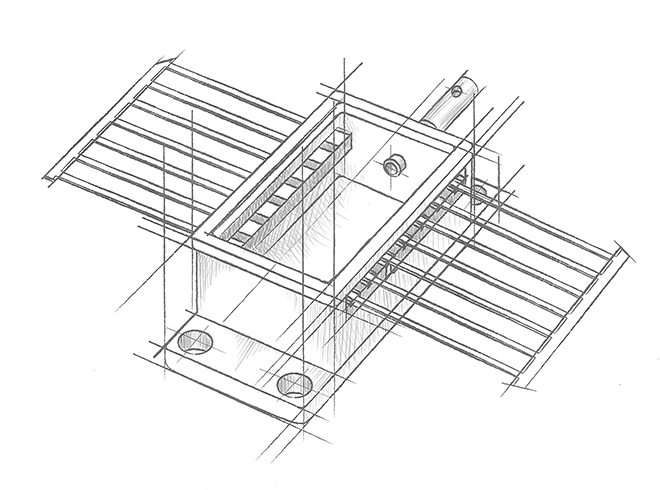
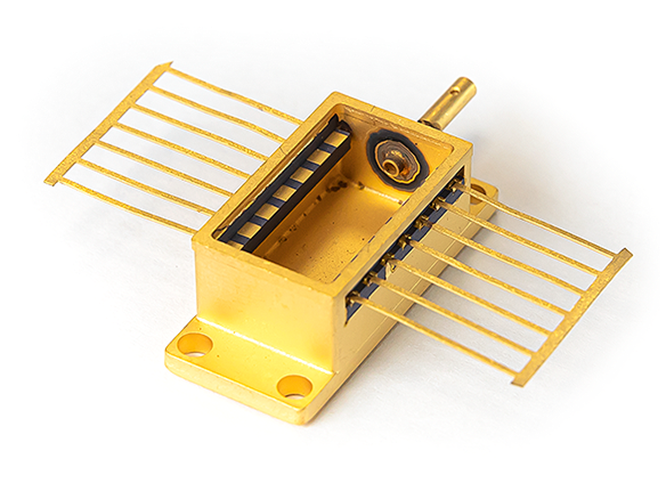
During the 1990s, in the midst of the Internet's rapid rise, underwater fiber optic cables and satellites network systems were built to support increased data transfer. Kyocera’s fiber optic cable components (pictured) were critical to the development of optical fiber cable systems in both ground and submarine applications, as well as for satellite network communications.

1995 International Actions On Climate Change 1995 International Actions On Climate Change

In 1995, the first Conference of Parties (COP 1)
was held in Berlin following the establishment of the United
Nations Framework Convention on Climate Change
the preceding year. While later meetings of COP
established such international frameworks as the Kyoto Protocol,
COP 1 was significant as it marked some of the first joint
international measures targeted at combatting climate change.
slider slider

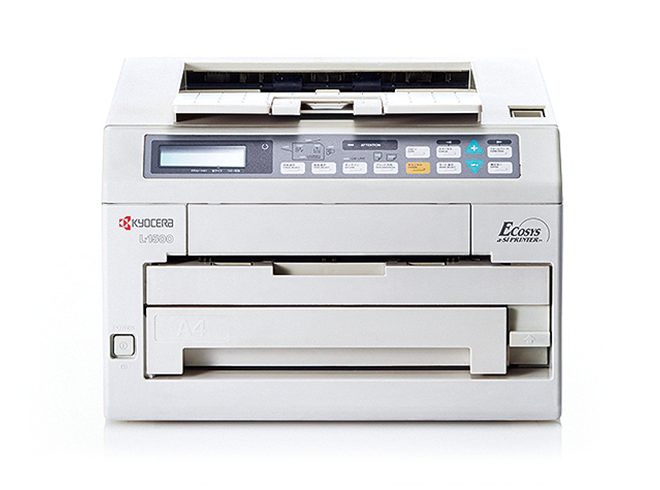
ECOSYS FS-1500

Kyocera’s first Ecosys printer model, FS-1500 (pictured), was released in 1992, three years before COP 1, as an innovative new concept for the office printing industry...

Learn more +

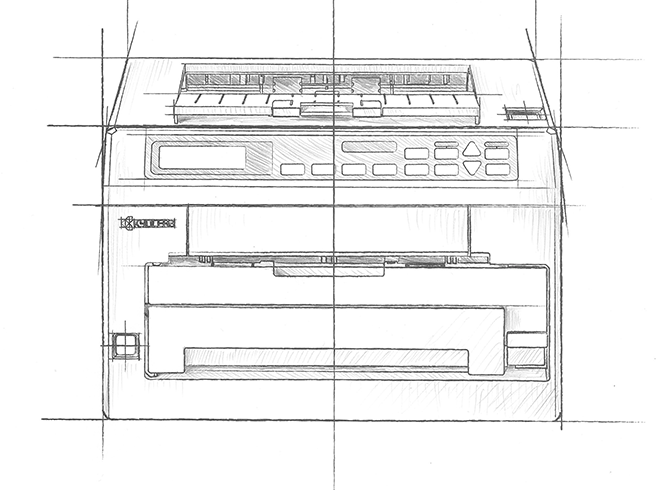
Kyocera’s first Ecosys printer model, FS-1500 (pictured), was released in 1992, three years before COP 1, as an innovative new concept for the office printing industry. Ecosys used a unique long-life amorphous silicon photoreceptor drum component, developed by Kyocera leveraging expertise in advanced materials. As such, Ecosys printers could drastically reduce consumable waste over the printer's lifetime for an environmentally sustainable design and greater cost-efficiency. Later, in 1997, Kyocera's Ecosys FS-1700 and FS-3700 printer models became the first page printers in the world to acquire Germany's prestigious Blue Angel eco-label. Since Ecosys’ release, Kyocera has continued to focus on developing printing systems that prioritize eco-friendliness, and the company continues to be a forerunner in developing environmentally friendly products and services to this day.

2002 The Worlds Largest Single Market Opens for Business 2002 The Worlds Largest Single Market Opens for Business

In 2002 the Euro became the official legal
monetary tender of EU member states, and in
the process, facilitated the expansion of the
world's largest single market.
slider slider

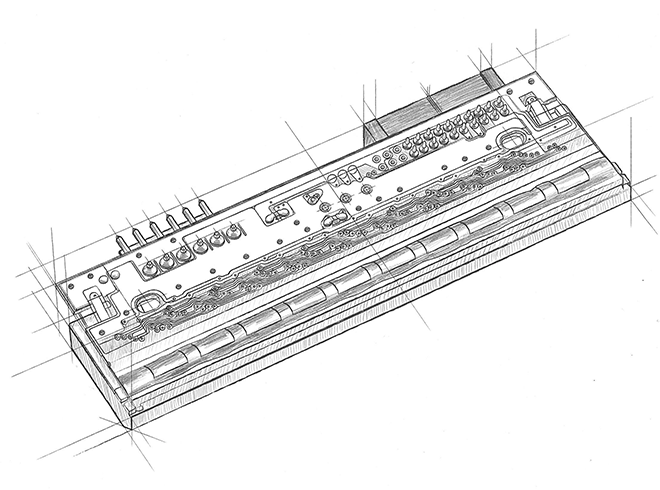
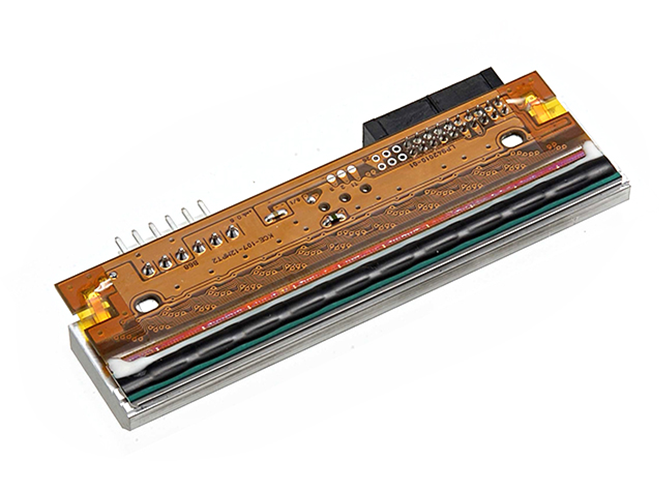
KCE-107-12 Thermal Printhead for Barcode Printers

Kyocera's thermal printhead technology (pictured) has been used widely in barcode printing devices throughout Europe, helping facilitate smooth commerce with barcode printing...

Learn more +

Kyocera's thermal printhead technology (pictured) has been used widely in barcode printing devices throughout Europe, helping facilitate smooth commerce with barcode printing in machines such as parking meters. In addition to thermal printheads, Kyocera also develops a wide range of printing device technologies, including amorphous silicon photoreceptor drums, LED-UV curing systems, high-speed inkjet printheads that utilize our proprietary fine ceramic technology to maximize efficiency and minimize waste, as well as fully-integrated copy and MFP systems.

2005 europe at the forefront of climate change initiatives 2005 europe at the forefront of climate change initiatives

The Kyoto Protocol, which was ratified and became effective in 2005, aims
to limit global greenhouse gas emissions. The goals outlined in the Kyoto
Protocol, of which the original treaty drafting in the 1990s benefited
greatly from leadership from then-German Environmental Minister
Angela Merkel, were further propelled by European leadership
and commitment to climate change action throughout the continent.
slider slider

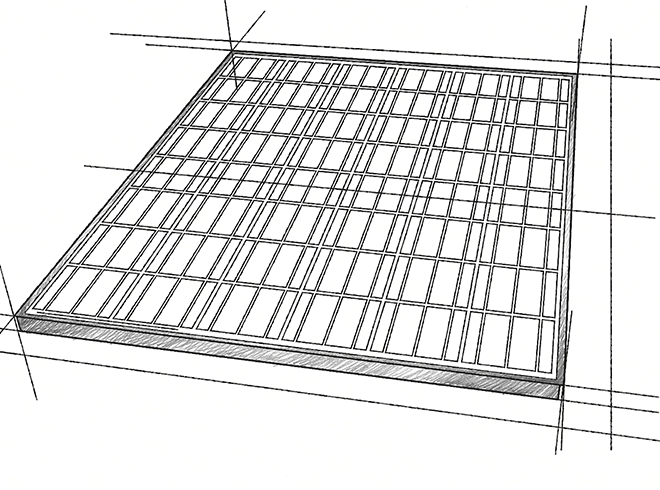
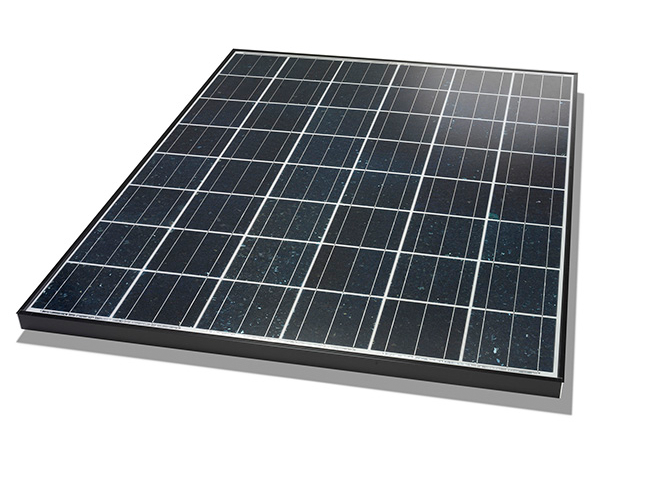
KC175GH-2P Photovoltaic Modules Installed on the European Court of Justice

Well before it was popular, Kyocera began developing photovoltaic modules technology in 1975 after the first oil shock. Throughout the 2000s...

Learn more +

Well before it was popular, Kyocera began developing photovoltaic modules technology in 1975 after the first oil shock. Throughout the 2000s, Kyocera's photovoltaic modules were adopted throughout Europe in order to increase the use of renewable energy. Kyocera's photovoltaic modules, highly regarded for their long-life durability and efficiency, were installed in the Swiss soccer stadium ’Stade de Suisse Wankdorf Bern’ (2005), at a 13.8 Megawatt super-large-scale solar electric generating system in Salamanca, Spain (2007), on the world’s highest photovoltaic plant on the Jungfraujoch in the Swiss Alps (2008), at a 30 MWp photovoltaic power plant in Castile-La Mancha region of the Spanish province of Cuenca (2008), and even at a 400kWp per year installation on the European Court of Justice in Luxembourg (pictured) that was completed in 2009.

2009 Pushing the Boundaries of Scientific Research 2009 Pushing the Boundaries of Scientific Research

In 2009, CERN's Large Hadron Collider (LHC) began its first operational run.
The installation, 27 kilometers in circumference, is used for experiments in particle physics,
and was the site of the Higgs Boson discovery in 2012.
slider slider

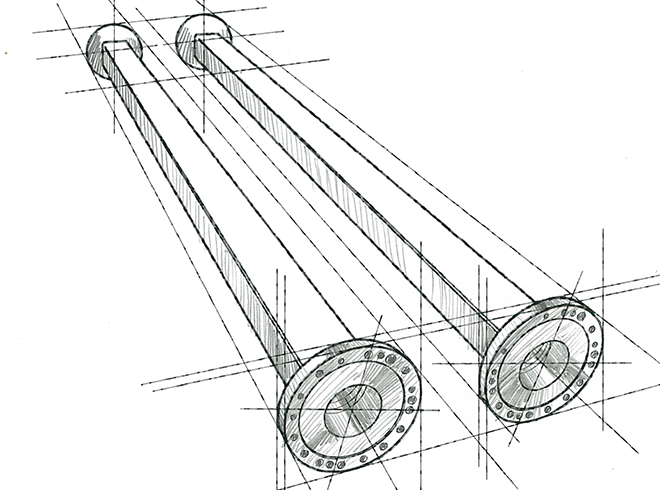
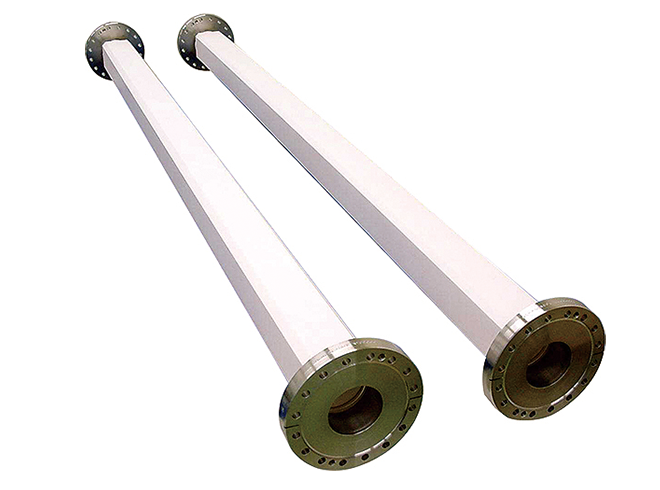
Fine Ceramic Vacuum Chambers

Kyocera's Fine Ceramic components are used in the CERN to contribute to the advancement of scientific research. For the Large...

Learn more +

Kyocera's Fine Ceramic components are used in the CERN to contribute to the advancement of scientific research. For the Large Hadron Collider, Kyocera developed custom vacuum chambers in collaboration with CERN, where they help to guide the movement of protons. Other ceramic components supplied for CERN include ceramic feed-throughs.

2014 The E-Mobility Revolution 2014 The E-Mobility Revolution

In 2014, Formula E became the first major automotive racing
championship to feature exclusively electric cars, and the first
European ePrix was held in Monaco in May 2015. Formula E
has helped promote technological innovation and the
popularization of electric vehicles (EVs).
slider slider

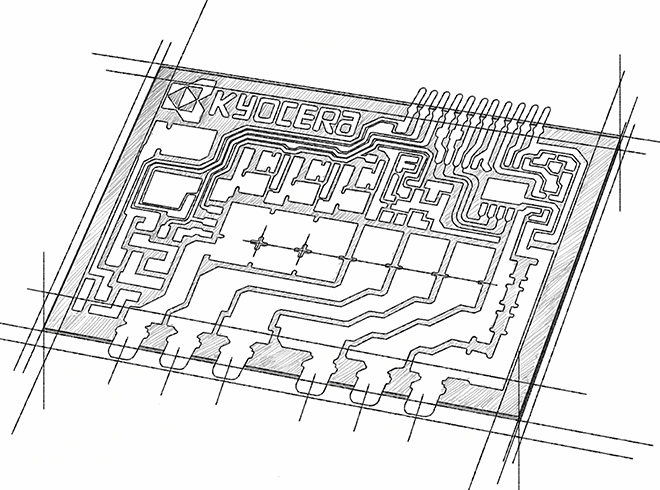
Copper-Bonded Silicon Nitride Substrates for EV Power Inverters

Because of the unique properties of Kyocera's advanced materials and Fine Ceramics technology, the company offers a diverse lineup of...

Learn more +

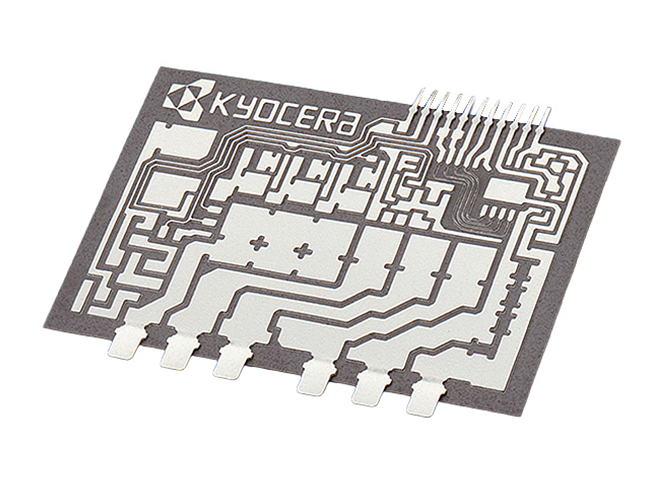
Because of the unique properties of Kyocera's advanced materials and Fine Ceramics technology, the company offers a diverse lineup of automotive solutions, including for EVs. Our silicon nitride substrates (pictured) are used in EV power inverters to help generate power for the electric vehicle’s motor. Other leading Kyocera automotive components include Peltier elements for battery cooling systems, ceramic semiconductor packages for ADAS, organic substrates for navigation systems, epoxy molding compounds for ADAS systems, LED substrates, and much more.

slider slider

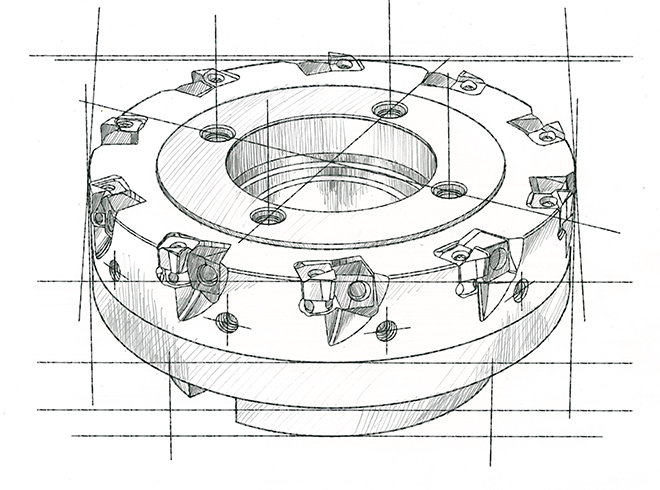
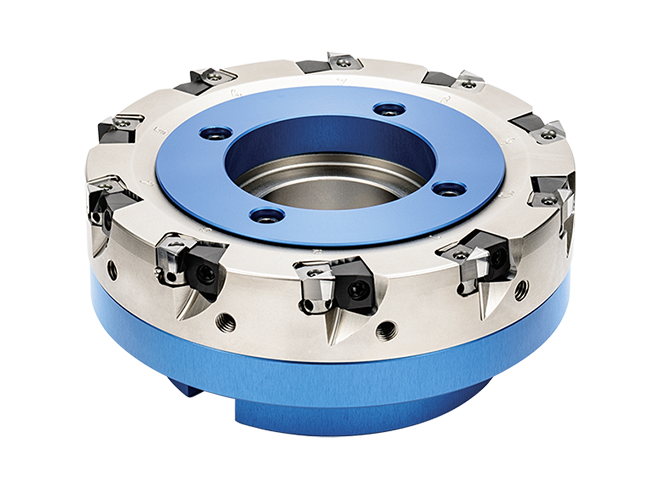
MFAH Cutting Tools

Also for the EV market, Kyocera develops a wide range of leading cutting tools and manufacturing technologies. Our MFAH cutting tools, first released in 2017 (pictured), are high efficiency...

Learn more +

Also for the EV market, Kyocera develops a wide range of leading cutting tools and manufacturing technologies. Our MFAH cutting tools, first released in 2017 (pictured), are high efficiency milling cutter for high quality finishing of aluminium parts, such as those used in structure parts of EV automotive components. In addition to EV and automotive, Kyocera's cutting tools are also highly valued in various other industries, including aerospace.

2020 Space Development Goes Commercial 2020 Space Development Goes Commercial

In May 2020, SpaceX became the first commercial enterprise to
successfully send a crew of astronauts to the International
Space Station in Earth's orbit. This was followed by further
successful commercial crewed space missions from Virgin
Galactic and Blue Origin in 2021.
2020
slider slider

Fine Ceramic Isolators for Ion Thrusters

Kyocera's Fine Ceramics components have been helping push humanity through space for decades, with our components used in many successful government space programs...

Learn more +

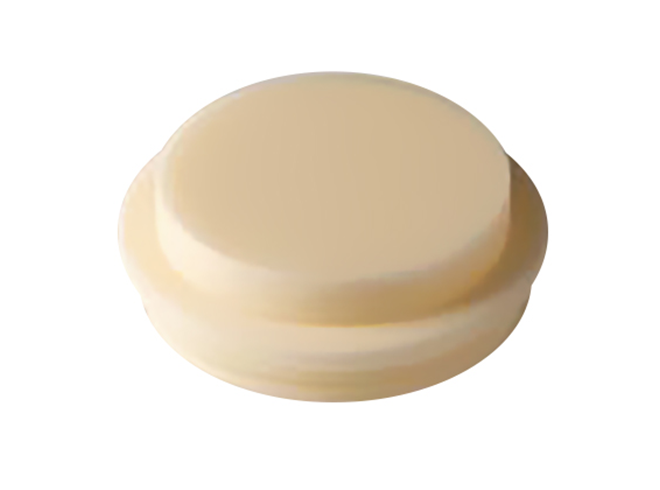
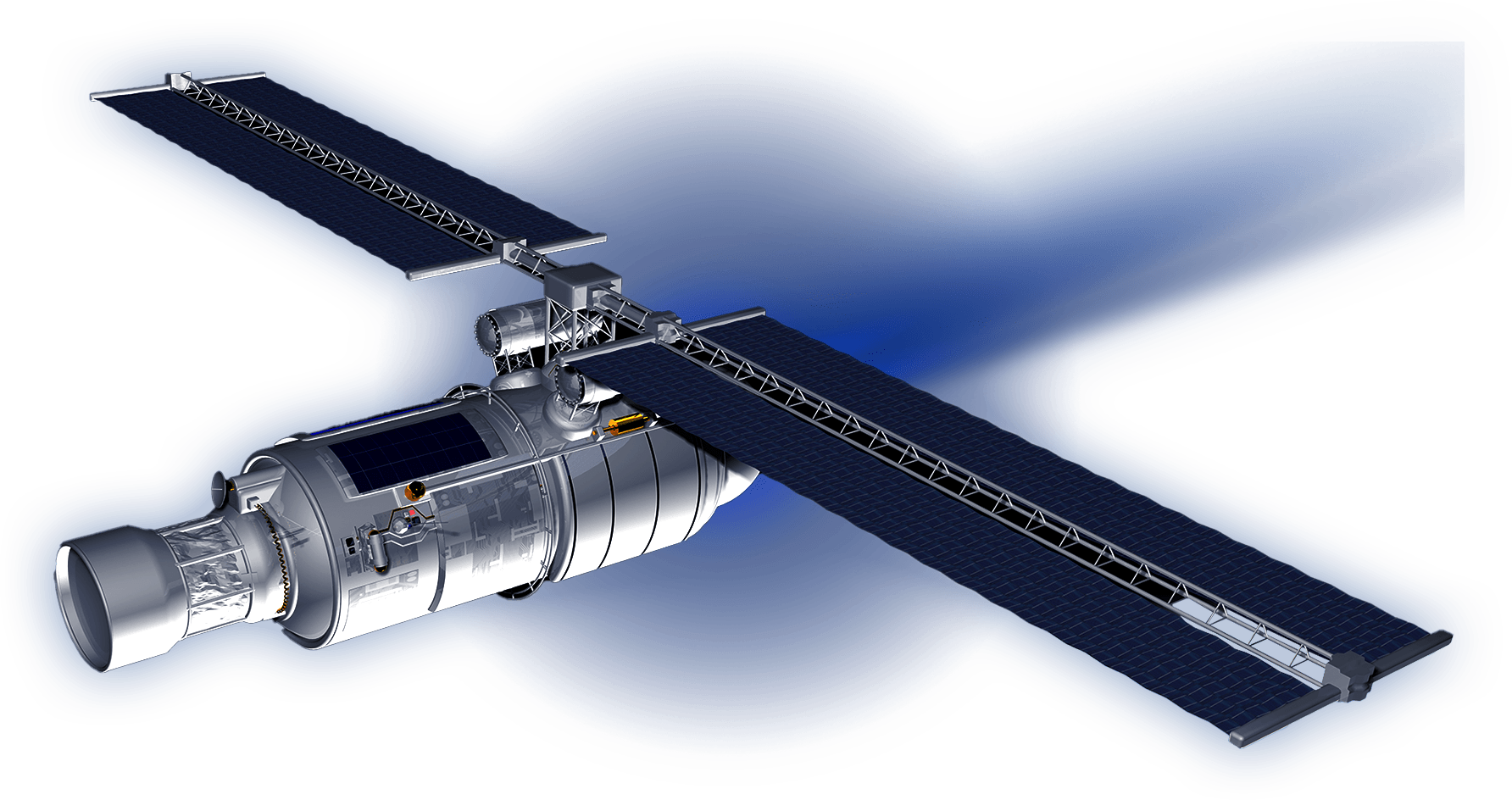
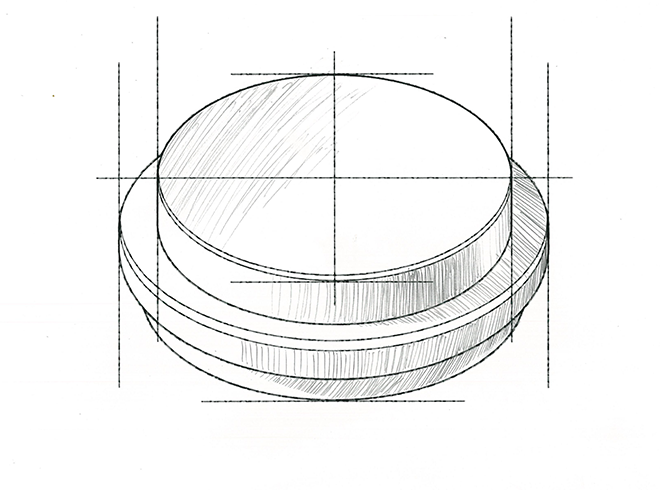
Kyocera's Fine Ceramics components have been helping push humanity through space for decades, with our components used in many successful government space programs, including Japan’s Hayabusa and Hayabusa 2 projects. With applications ranging from semiconductor laser products for satellites, satellite camera housings, oxygen tubes, satellite mirrors to ion thrusters (pictured), commercial endeavours in space will continue to be supported by Kyocera's advanced material technology well into the future.

2025 A Connected and Intelligent World 2025 A Connected and Intelligent World

Over the past few years, technology has evolved at an unprecedented
pace. Artificial intelligence has moved from a specialized research field
to a transformative force across industries. At the same time, advances
in semiconductor technologies, smart manufacturing, IoT solutions, and
the emergence of large-scale AI data centres have become the
foundation of an increasingly connected and intelligent world.
slider slider

Optical Modulator Packages Enable Real Data Highways

Connectivity needs fast and reliable data transfer to deploy its vast possibilities. Industrial IoT, connected healthcare services and autonomous vehicles can only be realized with real-time...

Learn more +

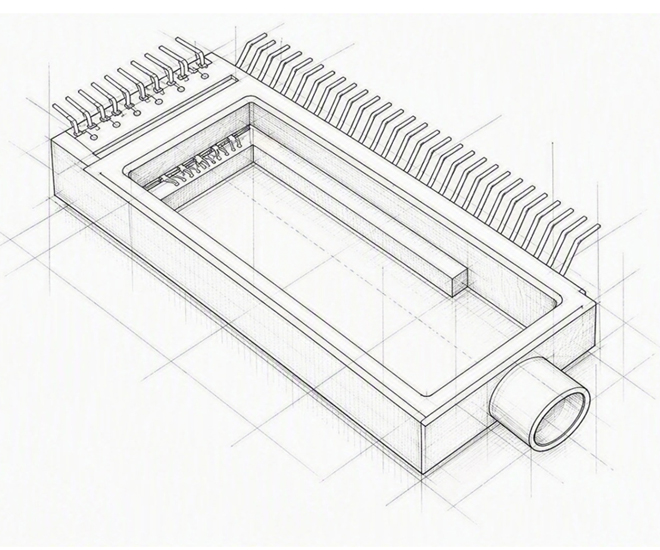
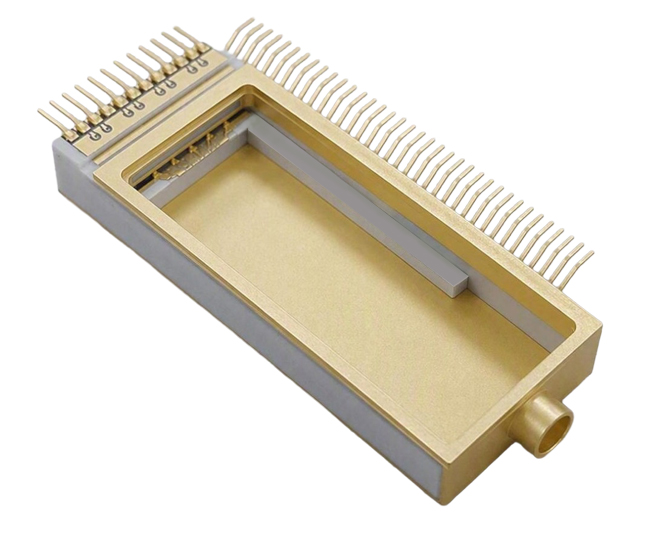
Connectivity needs fast and reliable data transfer to deploy its vast possibilities. Industrial IoT, connected healthcare services and autonomous vehicles can only be realized with real-time and secure wireless (Optical Modulator Package pictured) and wired data transfer technologies. Kyocera's wide product range and components contribute to improved data highways such as optical fiber Ethernet and future 5G/6G mmWave technology.

2027 and beyond - Shaping the Future with Advanced Technologies 2027 and beyond - Shaping the Future with Advanced Technologies

Looking ahead, the world faces growing challenges such as climate
change, increasing energy demand, and the need for sustainable industrial
growth. New technologies are becoming essential drivers of progress.

slider slider

Building the Foundation for Tomorrow

Quantum computing, hydrogen technologies and advanced thermal management are key drivers for future innovation. They can accelerate scientific breakthroughs, support low-carbon industries and transport,...

Learn more +

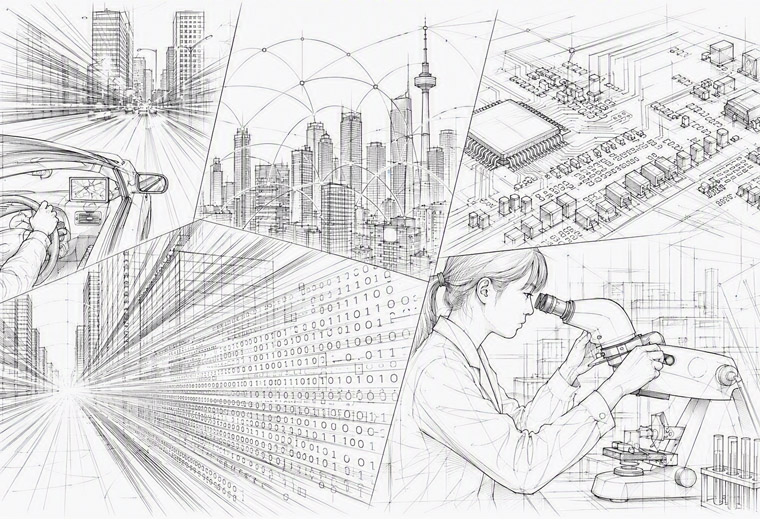
Quantum computing, hydrogen technologies and advanced thermal management are key drivers for future innovation. They can accelerate scientific breakthroughs, support low-carbon industries and transport, and improve the efficiency and reliability of next-generation electronics, data centres, batteries and energy systems. Together, these innovations contribute to a more sustainable, efficient and resilient future. Kyocera is actively shaping this future by developing key technologies that address the challenges ahead.
Read more: Kyocera Key Technologies

How Kyocera Creates Value for Society How Kyocera Creates Value for Society

Kyocera creates value for society by identifying critical social and economic issues we can help
resolve based on global trends in the international community and stakeholders' expectations.
Through its business and CSR activities, Kyocera is committed to the realization of a sustainable society.

Kyocera's Core Business Strengths

Since its founding in 1959, Kyocera has developed sophisticated technological know-how and expertise
in Fine Ceramics (also known as advanced ceramics) and wireless technology. In addition,
Kyocera has established a large global network and a diverse product portfolio that allows us to engineer
unique solutions to solve our customers' most complex technological challenges.
Fine Ceramic and Advanced Material Technology Fine Ceramic and Advanced Material Technology

Fine Ceramic and Advanced Material Technology

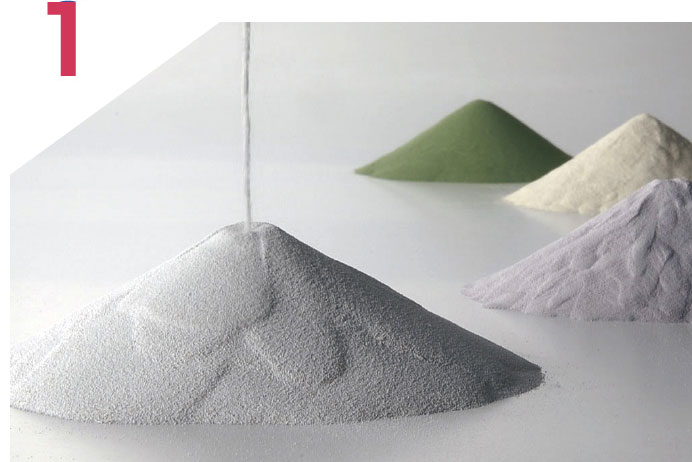
Kyocera has been developing advanced materials, focusing on Fine Ceramics technology, for over 60 years. Our product and solutions capabilities range from semiconductor packaging (organic and ceramic materials), industrial equipment, electronic components, automotive components, and energy-related solutions.

Wireless Communication Technology Wireless Communication Technology

Wireless Communication Technology

In addition to providing telecommunications electronic components and communications-based document solutions, Kyocera has expertise in 5G base station technology, IoT modules development, and we also offer a range of communications engineering solutions, such as base station construction.

Global Network and Diverse Product Portfolio Global Network and Diverse Product Portfolio

Global Network and Diverse Product Portfolio

We conduct production, sales, and R & D activities around the world. Through our diverse product portfolio, Kyocera supports a wide range of customers globally.

Kyocera Philosophy

The Kyocera Philosophy relates to life and management. Its central principle is to "Do what is right as a human being," a concept we include in all of our decision making. By emphasizing the importance of fairness and diligent effort, it serves as a paradigm for our conduct.

The Amoeba Management System

Amoeba Management involves dividing an organization into small units that operate as independent profit­-and-loss centers directly linked to their respective markets. This system fosters leaders with management awareness and creates the foundation for Kyocera's "Management by All."

Four Main Growth Markets

We aim to develop new technologies and create synergies within the Kyocera Group focusing on four main growth markets.

Information and Communications

Information & Communications

As the global economy continues to change, there is increasing demand for more advanced communication technology. Kyocera will contribute to the realization of the information and telecommunications society of the future by developing cutting-edge components and semiconductor-related advanced material technologies, IoT-related technologies, and communications-based document solutions that contribute to increased business productivity.

Mobility

Automotive

The automotive industry is in the middle of significant changes brought about by autonomous driving systems, advanced driver assistance systems (ADAs), and responses to environmental issues. Kyocera develops technologies and products that support a safe and secure mobility society, such as ceramic components used in EV and advanced tooling solutions contributing to the advancement of automotive manufacturing.

Environment and Energy

Environment & Energy

Kyocera has been developing, supplying, and operating solar power equipment and systems for about half a century under the concept of "Contributing to the world through the advancement of clean energy." In recent years, Kyocera has begun to expand its technological capabilities into storage batteries and related products. We aim to contribute to the protection of the global environment and the realization of a decarbonized society.

Medical and Healthcare

Medical & Healthcare

In addition to developing medical products and components to recover lost physical functions, such as artificial joints and dental implants, we create original devices that make daily health management more convenient. We will improve people's medical quality of life by providing total solutions for preventive medicine that extend healthy life expectancy.

55 years Kyocera in Europe 55 years Kyocera in Europe

TITLE

×